Minimum Viable

A laptop displaying a recipe engine, and an array of ingredients that you might grow for your minimum viable cuisine.
Financial, Food, Guides, Life Skills, Minimum Viable, Nutrition

Minimum Viable Cuisine: The Cheapest Possible Diet That Is Still Actually Good

Introduction This is another entry in the minimum viable series at Circuspam, following the same idea we’ve used for the cheapest possible computer, the cheapest and longest-lasting bed, and our wider experiments with cheap housing, useful technology and off-grid living. The question is always: What do you actually need? This time we’re applying it to


The Circuspam Coffee mug with big top, and a whispy degree hat and scroll coming out of the top to symbolise graduation from a minimum viable degree.
Life Skills, Minimum Viable

Minimum Viable Degree: University on a Shoestring (With a Real .edu Email)

If you want a real bachelor’s degree but don’t want to pay “well‑off economy” prices, there’s a quiet corner of the internet where government‑recognised universities charge international, 100% online rates under ~$700/year. This solution is what we are calling a “minimum viable (cost) education”. This post is a follow on from our “minimum viable” posts,

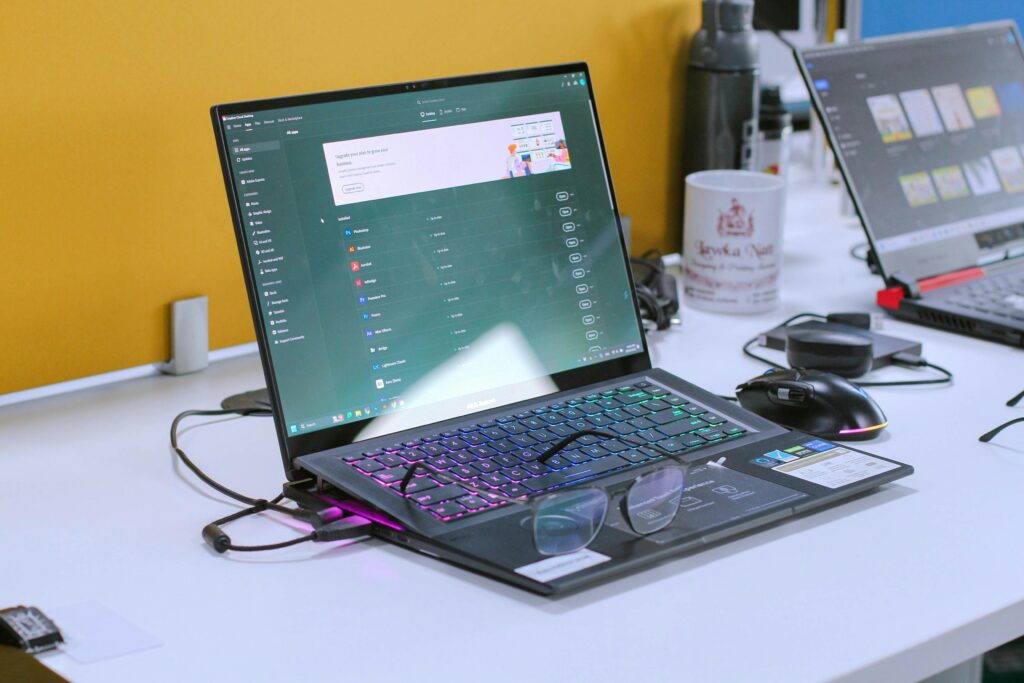
A laptop with lots of cables and a raised keyboard to symbolise something that looks like what you might be able to build with this cheapest possible computer guide.
Minimum Viable, Tech

The Cheapest Possible Computer (March 2026 Edition)

If you hand‑pick the right second hand hardware, you can still get a functional general‑purpose computer (all in) for under £30 in 2026 – this is including the screen, keyboard, storage, internet w/usage, phone calls, sms, and everything you need. It’s not high speicifcation, or in-house AI gaming computer ready, but it is including many

Notebook debt, pictured in an abstract way next to a clean laptop showing glowing charts and graphs.
Business, Life Skills, Minimum Viable

The £15,000 Studio: Converting Notebook Debt Into a Digital Product and Social Intelligence Company

Introduction For twenty years, I have been a curator of the future. Notebook debt, text files, and voice memos—hundreds of them—filled with ideas I never executed: automation tools, data dashboards, physical gadgets, community platforms. I treated ideation as the work, which meant the actual work never started. This is a common affliction among technical people,